 Translate
The Blueprint for Sustainable Abdominal Fat Loss: Science vs. Myths
By John Smith Fitness · 4 min read
This post reflects the author's own views, not Meal & Muscle's — see our content policy for how claims here are handled.
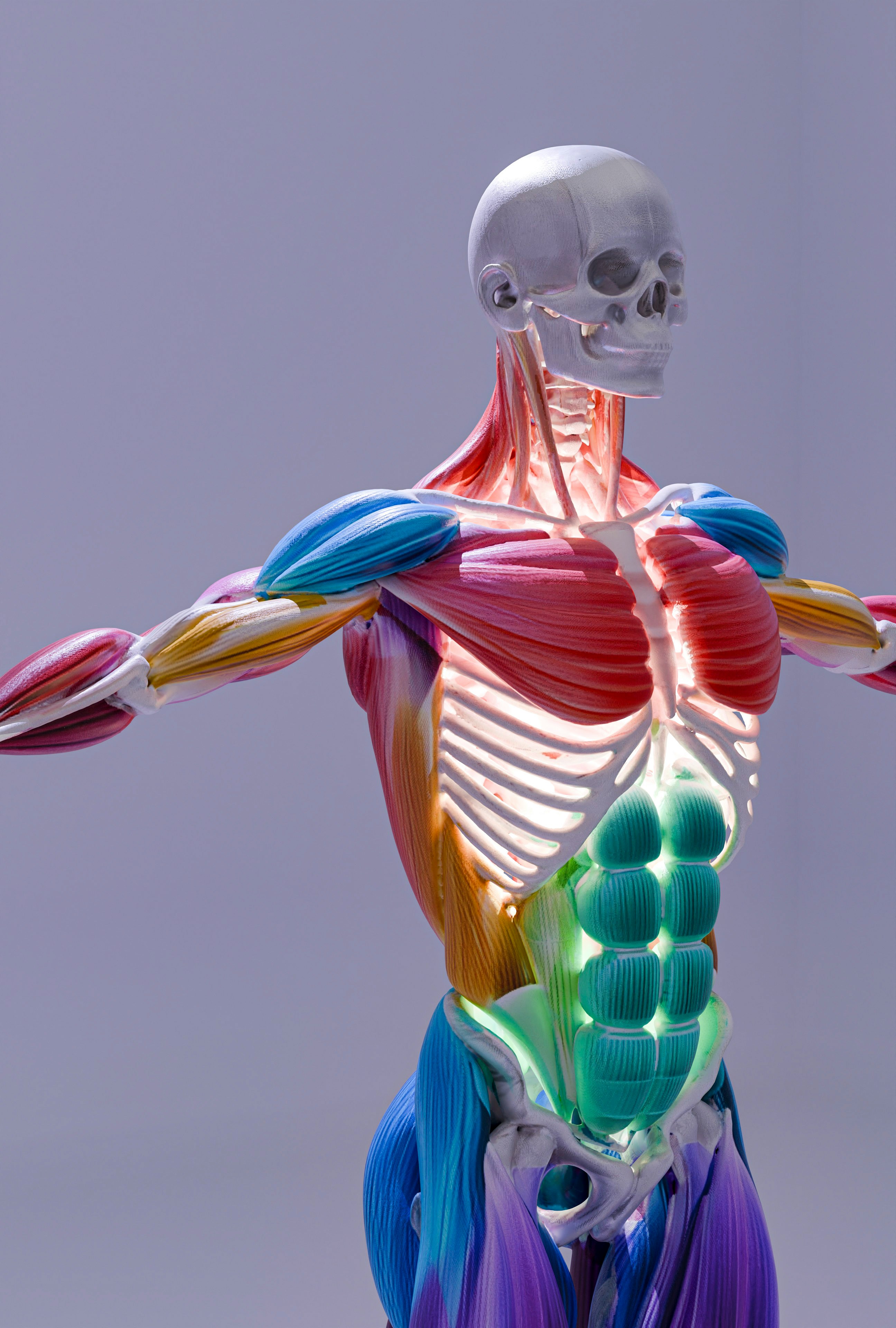
If you have ever spent weeks grinding through hundreds of daily crunches or wearing sweating belts in hopes of shrinking your waistline, your lack of results is not a personal failure. The desire to trim abdominal fat is the single most searched query in fitness. Unfortunately, it is also the area most saturated with misleading gimmicks, "get shredded fast" supplements, and false visual promises. When these non-scientific methods fail, it is easy to feel defeated. But once you look past the noise and understand how human physiology actually works, the path forward becomes surprisingly clear, completely achievable, and deeply empowering. You do not need extreme starvation diets or hours of grueling daily core workouts. You simply need to execute a consistent framework that works with your biology instead of fighting against it.
1. The Physiology: Why Spot Reduction is a Biological Myth The most liberating truth in sports science is that fat loss is systemic (total body), not localized. Your body stores energy in specialized cells called adipocytes in the form of triglycerides. When you create the correct biological conditions for fat loss, your brain signals the release of key hormones like epinephrine and norepinephrine. These chemical messengers travel through your entire bloodstream, instructing fat cells across your whole body to release energy to be burned. Because these hormones circulate everywhere, your body draws fuel from all over. Performing sit-ups strengthens and shapes the rectus abdominis muscle underneath, but it does not signal the subcutaneous fat sitting on top to burn first. Your body chooses where fat is mobilized first based on a sequence determined by genetics, sex, age, and individual fat distribution patterns. This reality empowers you to stop punishing your midsection and start focusing on total-body strategies that provide sustainable results.
The Comprehensive System Visualized To understand how these biological factors interconnect with the behaviors you control, follow this complete operational system for fat reduction:
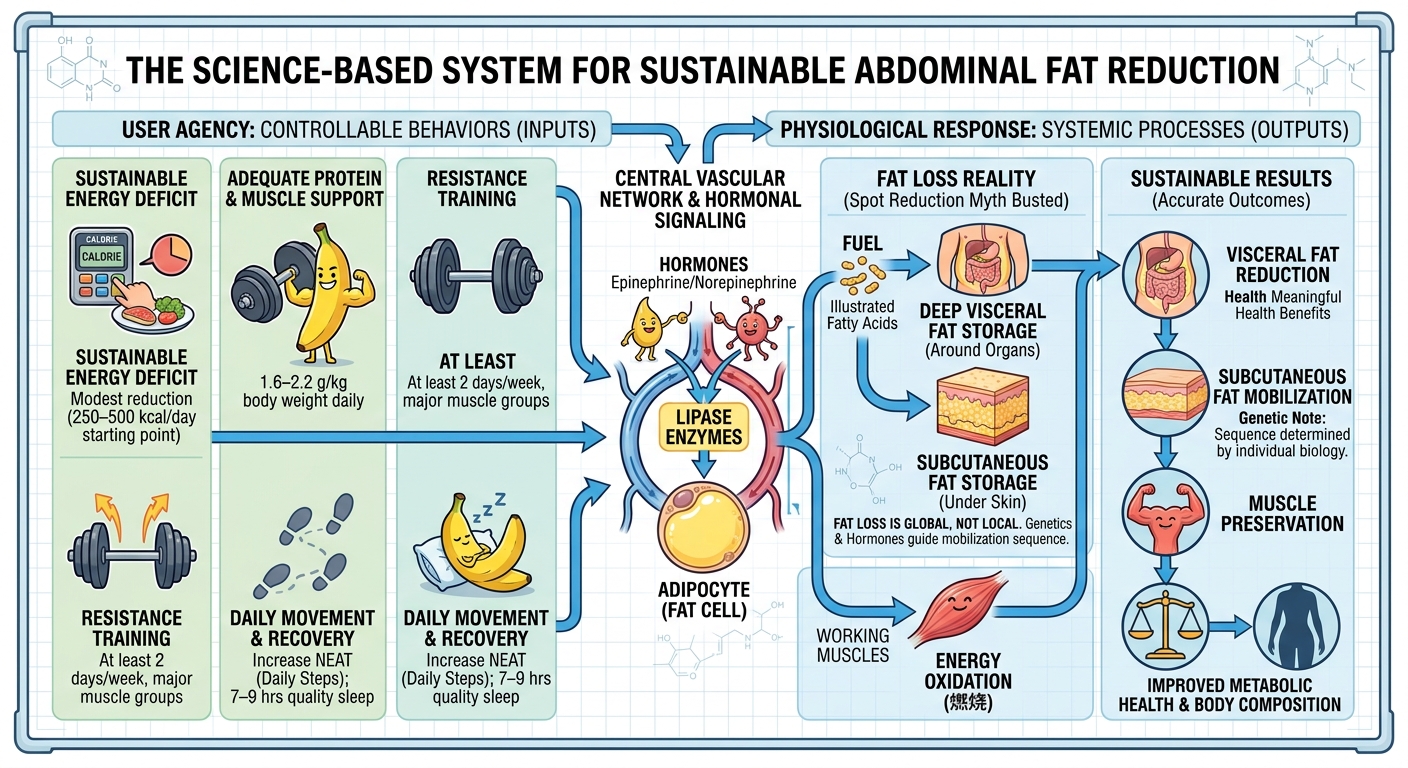
2. Understanding Your Fat: Visceral vs. Subcutaneous Your midsection stores two distinct types of fat, and knowing the difference is crucial for health and visual outcomes: Subcutaneous Fat: This is the soft fat located directly beneath the skin. While often visually prioritizing genetics, it is generally less strongly associated with cardiometabolic disease than visceral fat, though excess total body fat can still affect health. Visceral Fat: This is the deep fat stored around internal organs (liver, pancreas, intestines). Visceral fat is metabolically active; elevated levels are linked to a greater risk of conditions such as type 2 diabetes, fatty liver disease, and cardiovascular disease. The positive news is that visceral fat often responds meaningfully to sustained improvements in diet and physical activity. Meaningful health benefits frequently occur from visceral fat reduction long before you see dramatic visual changes in the mirror.
3. The Evidence-Based Framework for Action Sustainable progress relies on three foundational, manageable habits that create an environment where your body consistently oxidizes more lipid energy than it stores.
Pillar 1: Create a Sustainable Energy Deficit Fat loss requires burning slightly more energy than you consume—typically a modest deficit of roughly 250 to 500 calories per day to start. Very restrictive diets can be difficult to sustain and may increase hunger, fatigue, nutrient shortfalls, and loss of lean mass. A moderate approach is easier to maintain while still meeting nutrient needs and enjoying your diet. Prioritize Protein: Consuming approximately 1.6 to 2.2 grams of protein per kilogram of body weight (0.7 to 1.0g per pound) supports fullness and helps preserve lean muscle mass during weight loss. Its digestion also provides a modest thermic effect. Whole-Food Focus: Fiber-rich, minimally processed foods keep blood sugar steady, help regulate cravings, and keep total energy intake manageable.
Pillar 2: Protect Muscle with Resistance Training While cardio burns calories during the session, resistance training is the true engine of physical transformation and body composition change. By signalizing muscle preservation, strength training ensures the weight you lose comes predominantly from fat, not lean tissue. Frequency: Aim for at least two resistance-training sessions per week targeting major muscle groups. Three to four sessions can suit people with the experience and recovery capacity. Compound Lifts: Exercises like squats, hinges, deadlifts, presses, and rows recruit large muscle masses, optimizing movement proficiency and functional strength.
Pillar 3: Increase Daily Activity & Prioritize Recovery Progress doesn't just happen during your workout; it depends heavily on non-exercise movement and proper rest. Daily Movement (NEAT): Increasing daily walking raises non-exercise activity thermogenesis (NEAT) without increasing intense fatigue. A benchmark like 8,000+ daily steps is a helpful optional benchmark, but any consistent, progressive increase in movement is beneficial. Sleep and Stress Management: Chronic stress and poor sleep can make fat loss harder by increasing appetite, disrupting food choices, and impairing recovery. Prioritize getting 7 to 9 hours of quality sleep to support appetite regulation, training recovery, and long-term consistency.
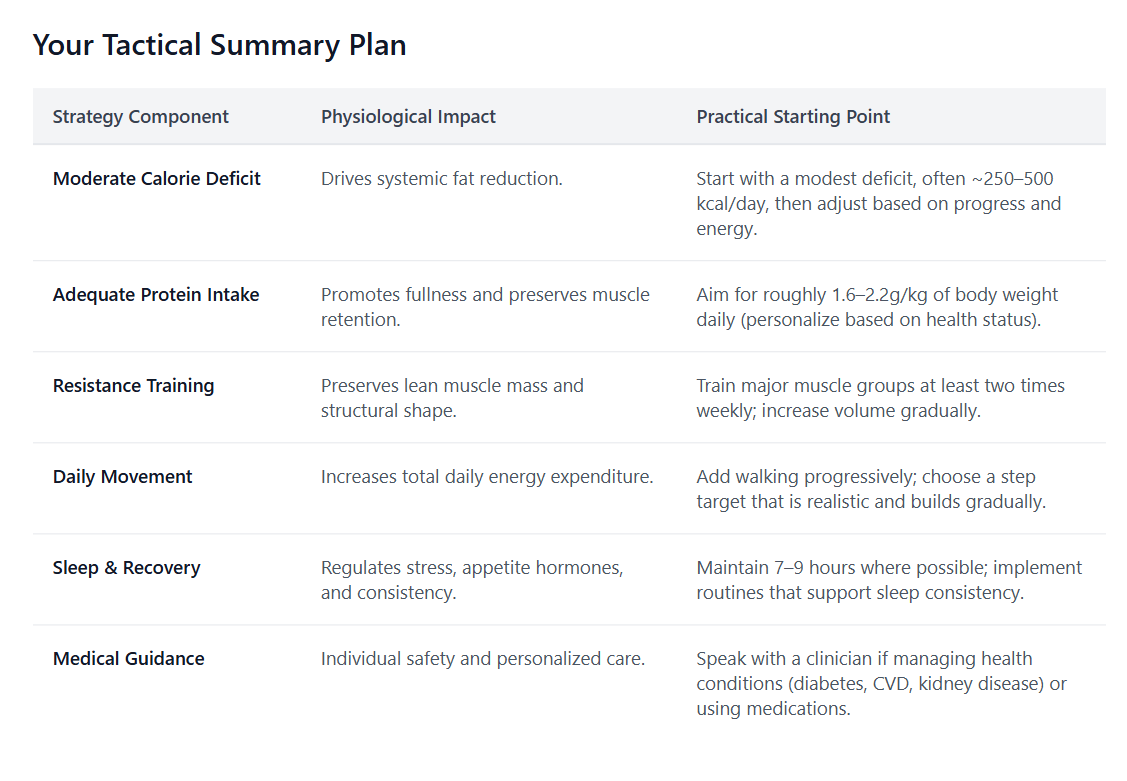
You Can Control Your Behaviors Losing abdominal fat isn't about a secret exercise, a rigid restriction, or a magic supplement. You cannot choose exactly where your body mobilizes fat first, but you can meaningfully influence overall fat loss and health through consistent nutrition, strength training, everyday movement, sleep, and recovery. Focus on behaviors you can sustain consistently. Sustainable, repeatable actions—not perfection, punishment, or quick fixes—create the dynamic conditions required for lasting health and total-body transformation. Trusted health agency, recognizing environmental factors, and repeated action are your tools for success.
Sources & references
Listed by the author — not verified by Meal & Muscle.
- Here are the direct reference links:
- * **Harvard Health – Abdominal Fat & Exercise:**
- [https://www.health.harvard.edu/staying-healthy/taking-aim-at-belly-fat](https://www.health.harvard.edu/staying-healthy/taking-aim-at-belly-fat?)
- * **JAMA Network Open – Diet & Exercise Integration:**
- [https://jamanetwork.com/journals/jamanetworkopen/fullarticle/2812423](https://www.google.com/search?q=https://jamanetwork.com/journals/jamanetworkopen/fullarticle/)
- * **PubMed Central (NIH) – Protein Requirements During Weight Loss:**
- [https://www.ncbi.nlm.nih.gov/pmc/articles/PMC5852756/](https://www.ncbi.nlm.nih.gov/pmc/articles/PMC5852756/)
- * **Medscape – Cardiometabolic Impact of Visceral Adiposity:**
- [https://www.medscape.com/viewarticle/984210](https://www.medscape.com/viewarticle
- Photo by <a href="https://unsplash.com/@brechtcorbeel?utm_source=unsplash&utm_medium=referral&utm_content=creditCopyText">Brecht Corbeel</a> on <a href="https://unsplash.com/photos/colorful-anatomical-model-showing-human-muscles-and-skeletal-structure-DFhfwHaYRps?utm_source=unsplash&utm_medium=referral&utm_content=creditCopyText">Unsplash</a>
Comments (1)
Log in or create an account to comment.

Such a refreshing read! The myth of spot reduction refuses to die, so it's great to see an article clearly explain that consistency and overall body fat percentage dictate abdominal definition, not endless crunches. Saving this to share with friends who still fall for quick-fix gimmicks.