 Translate
Machines vs. Free Weights: Which is Actually Better for Beginners?
By John Smith Fitness · 2 min read
This post reflects the author's own views, not Meal & Muscle's — see our content policy for how claims here are handled.
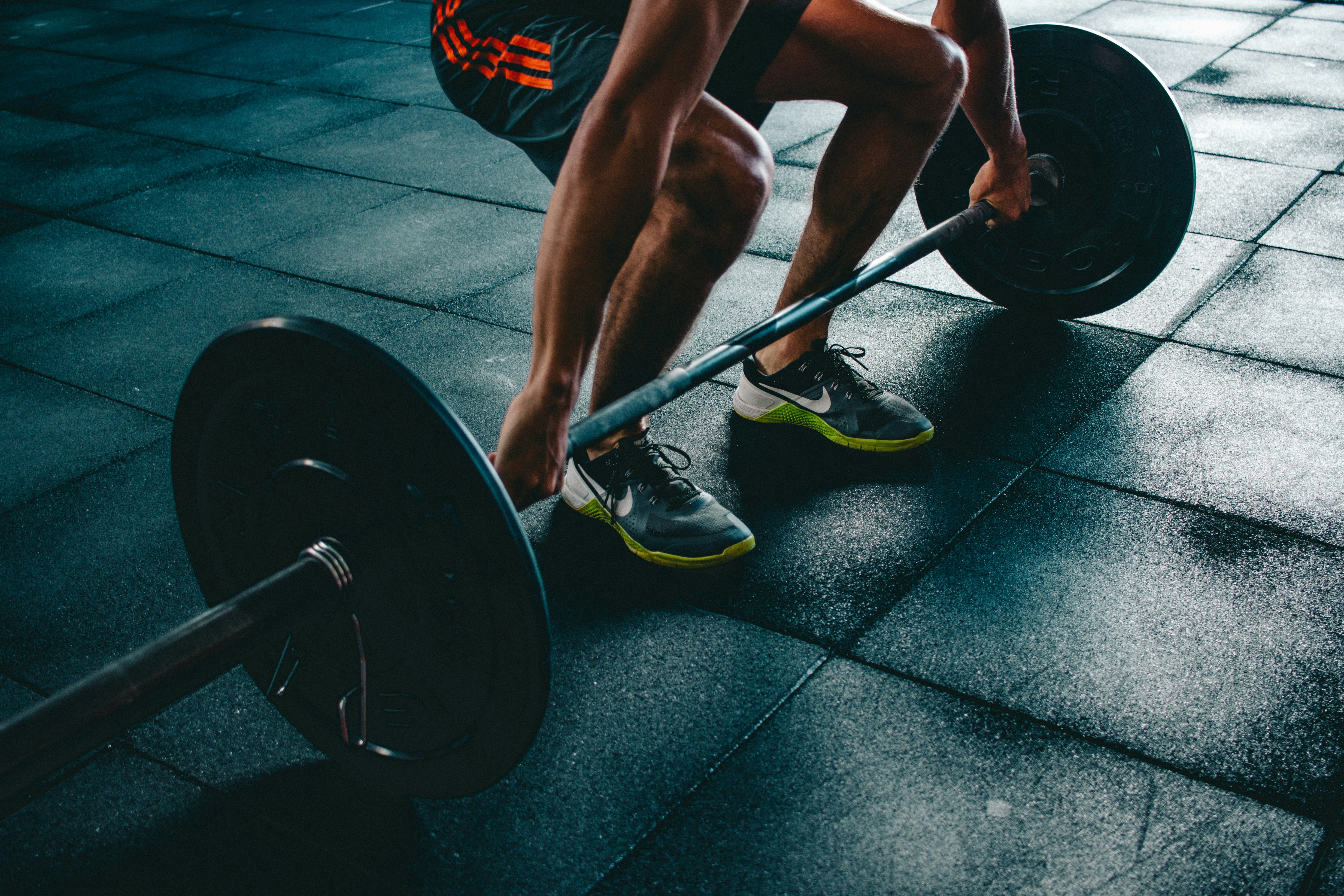
Walk into any commercial gym, and you will see a divide. On one side, the racks of free weights (dumbbells, barbells, kettlebells). On the other, the polished rows of selectorized machines. Beginners often ask which section is "better" for building muscle and losing fat. From a physiological standpoint, your muscles do not have eyes. They do not know if you are pushing a highly engineered $5,000 chest press machine or a rusty barbell. They only recognize and respond to mechanical tension. However, the biomechanics of how that tension is applied differ wildly between the two.
Free Weights (Barbells, Dumbbells): The Stabilizers
The Science: When you lift a dumbbell, gravity pulls it straight down. You must actively control the weight in all three dimensions (up/down, forward/backward, side-to-side). This requires massive engagement from your core and smaller "stabilizer" muscles. Pros: They mimic natural human movement patterns, improve functional coordination, and recruit more total muscle mass per exercise. Cons: They have a steeper learning curve. Poor form can lead to injury, and a beginner's stabilizer muscles often fatigue before their primary muscles do (e.g., your arms shake and give out before your chest is actually tired during a dumbbell bench press).
Machines (Cables, Leg Press, Chest Press): The Isolators
The Science: Machines lock you into a fixed, rigid path of motion. They balance the weight for you. Pros: Because you don't have to balance the weight, you can isolate a specific muscle and push it safely to absolute failure without a spotter. They are incredible tools for pure muscle hypertrophy because the target muscle receives 100% of the tension. Cons: They do not engage the core or stabilizers, and because they are built for the "average" human body, they may force your joints into slightly unnatural biomechanical paths depending on your height and limb length.
The Ultimate Beginner Strategy: The Hybrid Approach You should never strictly choose one over the other. The most effective beginner routines utilize a hybrid approach.
Actionable Structure: Start your workout with 1 or 2 free-weight compound movements (like Dumbbell Goblet Squats or Barbell Romanian Deadlifts). Do these early in the session when your central nervous system is fresh, focusing heavily on balance and form. Finish your workout with 2 or 3 machine exercises (like the Leg Press or Leg Extensions). Because your stabilizers are already fatigued from the free weights, the machines allow you to safely push your primary muscles to exhaustion without risking a dangerous form breakdown.
Sources & references
Listed by the author — not verified by Meal & Muscle.
Comments (2)
Log in or create an account to comment.

This is a very practical and beginner-friendly explanation of machines versus free weights. I especially like the hybrid approach: beginning with compound free-weight movements to develop balance, coordination, and stabilizer strength, then using machines to safely push the target muscles closer to fatigue. The article also makes an important point that beginners often overlook—neither option is automatically “better.” Free weights have a steeper learning curve, while machines provide more stability and control. Combining both allows beginners to build proper technique, confidence, strength, and muscle without unnecessarily sacrificing safety. Great read!
Very informative article