 Translate
Do I need supplements to see results? The Truth About Fitness Supplements: What Beginners Actually Need vs. Marketing Hype.
By John Smith Fitness · 2 min read
This post reflects the author's own views, not Meal & Muscle's — see our content policy for how claims here are handled.
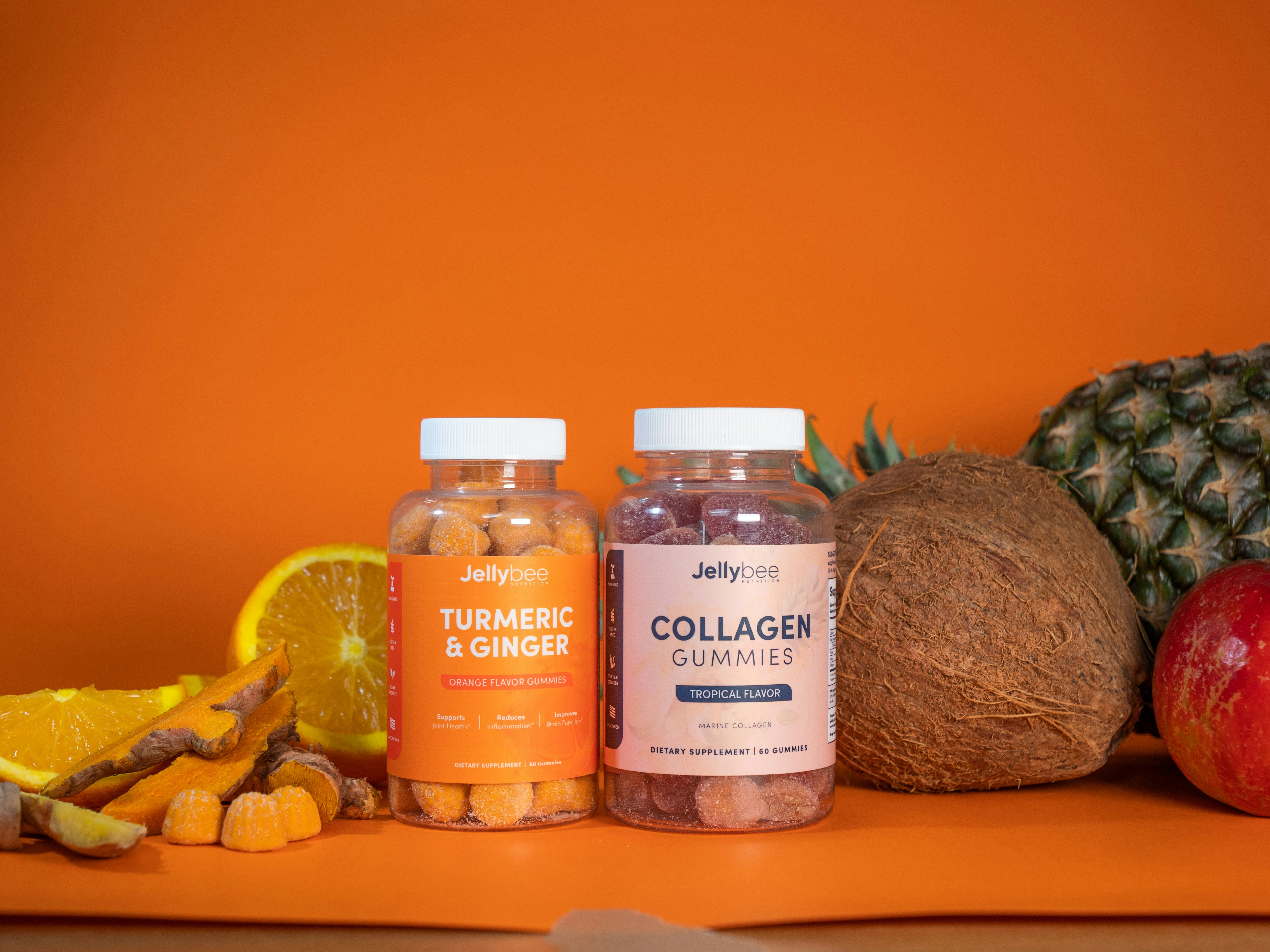
Walking into a health food store or scrolling through fitness social media can make a beginner feel like building muscle or losing fat requires a cabinet full of expensive powders and pills. The supplement industry thrives on the illusion of the "quick fix," but the physiological reality is much simpler.
You do not need a single supplement to transform your body. The word "supplement" literally means to complete or enhance something else when added to it. If your foundational habits—a caloric deficit or surplus, a progressive resistance training program, and 7 to 9 hours of sleep—are not dialed in, no supplement on earth will save your progress. Those foundational habits will dictate 90–95% of your results.
However, if your foundation is solid, there is a small handful of supplements backed by decades of peer-reviewed clinical research that can offer a 5–10% edge in performance, convenience, and recovery. The International Society of Sports Nutrition (ISSN) categorizes supplements based on their evidence profile.
Tier 1: Highly Effective (Backed by Strong Evidence)
Creatine Monohydrate: This is the most extensively researched sports supplement in human history, and it is remarkably safe. Your muscles use an energy system called ATP-PC for explosive movements (like lifting a heavy weight for 5-8 reps). Creatine safely saturates your muscles with phosphocreatine, essentially giving your cells a slightly larger energy reservoir. The result? You might get 10 reps instead of 8. Over months, that extra volume equals significantly more muscle growth. Actionable Step: Take 3 to 5 grams of plain creatine monohydrate daily. You do not need expensive "micronized" blends, and you do not need to "load" or cycle off of it.
Whey or Plant Protein Powder: This is not a magic muscle-builder; it is simply convenient, fast-digesting food. If your goal is to eat 130 grams of protein a day, eating four chicken breasts might cause palate fatigue. A scoop of whey provides 25 grams of highly bioavailable protein for about $1 a serving.
Caffeine: A proven ergogenic (performance-enhancing) aid. Consuming 3 to 6 mg of caffeine per kilogram of body weight 45–60 minutes before a workout blocks adenosine receptors in the brain, reducing your perception of fatigue and increasing muscular power output.
Tier 2: The Marketing Hype (Skip These)
BCAAs (Branched-Chain Amino Acids): Marketed for muscle recovery, but science shows that if you are eating enough complete protein sources throughout the day, your body already has all the BCAAs it needs. Sipping them during a workout is mostly just expensive flavored water
Fat Burners: These are typically just high doses of caffeine mixed with proprietary herbal blends that have no clinical backing for long-term fat loss. Save your money and focus on a caloric deficit.
Sources & references
Listed by the author — not verified by Meal & Muscle.
Comments (1)
Log in or create an account to comment.

The tip on keeping creatine simple with 3–5g of standard monohydrate is golden. No need for fancy loading protocols or overhyped blends. Fantastic, straightforward read!