 Translate
Beyond the Workout: How Mind–Body Integration Is Redefining Fitness and Health
By Santosh Sharma · 6 min read
This post reflects the author's own views, not Meal & Muscle's — see our content policy for how claims here are handled.
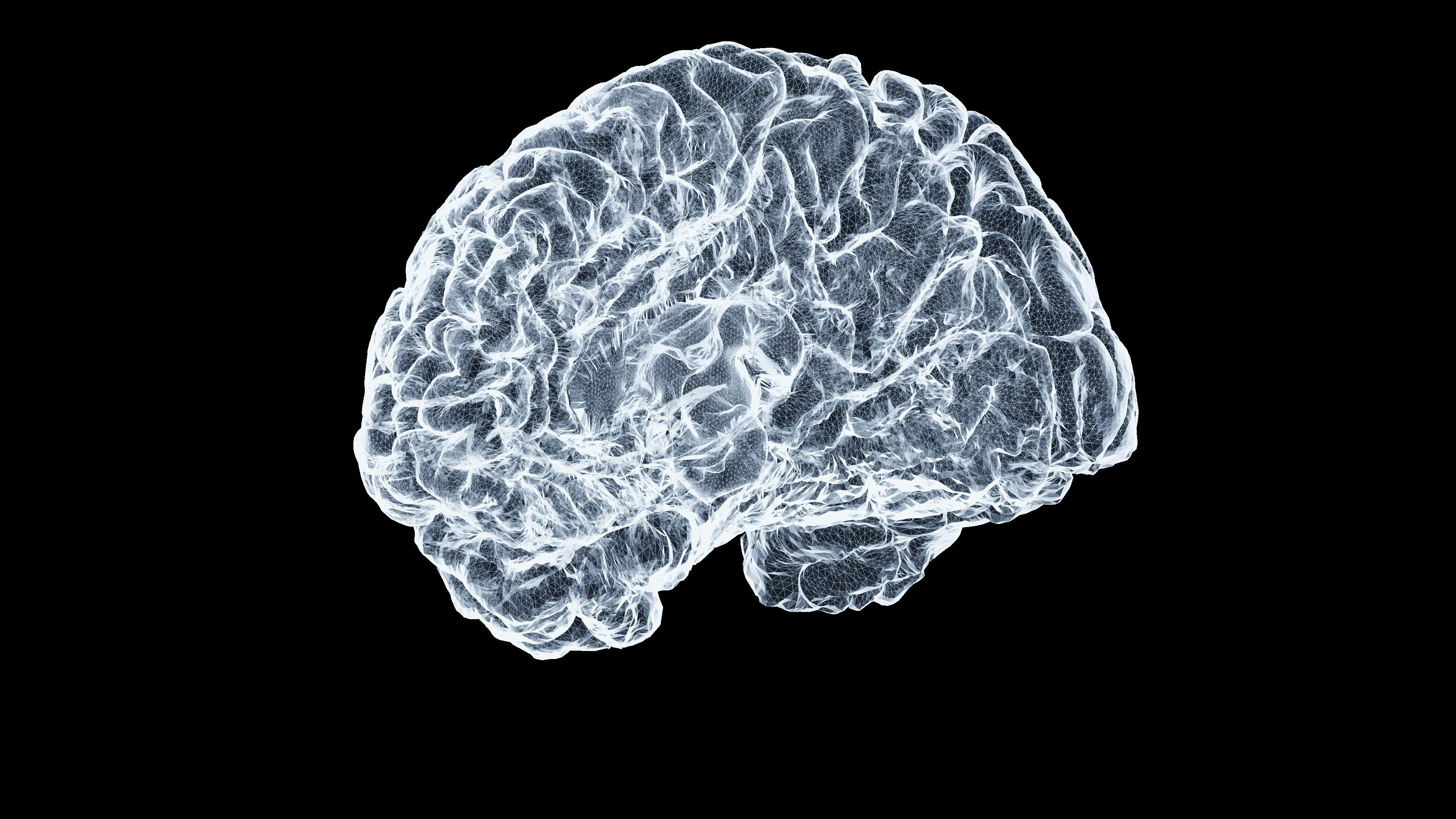
For decades, mainstream fitness treated the human body like a simple mechanical engine: burn more calories than you consume, push through muscle pain, log more hours at the gym, and repeat. However, a major transformation is taking place across sports science, physical therapy, and everyday wellness. Millions of people are discovering that working out harder isn't always working out smarter—especially if your nervous system is chronically exhausted. This shift centers on mind–body integration—the scientific understanding that your psychological state (thoughts, stress levels, and emotional state) and your physical state (muscles, digestion, heart rate, and immune system) operate in continuous, two-way communication. It is no longer just about building muscle mass or burning fat; it is about regulating your nervous system so your entire body can perform and recover at its best.
The Science Made Simple: How Your Brain and Body Talk To understand mind–body integration, you do not need a degree in neuroscience. You only need to understand three core biological components that manage your daily physical state: 1. The Autonomic Nervous System (ANS) Think of the ANS as your internal control center. It runs automatically in the background and operates primarily in two modes: Sympathetic Mode ("Fight or Flight"): Increases your heart rate, elevates cortisol (stress hormone), sends blood to your limbs, and tightens muscles. While essential for acute physical performance or escaping danger, staying stuck in this mode can contribute to muscle loss, poor sleep, and chronic fatigue over time. Parasympathetic Mode ("Rest and Digest"): Slows your heart rate, promotes digestion, reduces systemic inflammation, and facilitates tissue repair and muscle building.
2. The Vagus Nerve The vagus nerve is the main neural superhighway of the body. Running from the brainstem down through the neck to the heart, lungs, and digestive organs, it acts as a master biological brake pedal. When you send signals through the vagus nerve—such as taking long, slow exhalations—it delivers an immediate message to your brain: "We are safe, you can relax now."
3. The Gut–Brain Axis Your digestive tract contains hundreds of millions of neurons that communicate directly with your brain via chemical messengers like serotonin and dopamine. This is why high psychological stress almost immediately triggers digestive discomfort, and why gastrointestinal health deeply affects your daily mood and energy levels. (Note: Approximately 90–95% of the body's serotonin and about half of its dopamine are produced in the gut, but most peripheral serotonin does not cross into the brain; effects on mood occur via vagal signaling, immune pathways, and precursor availability.)
Why Mind–Body Practices Are Exploding in Modern Fitness Mind–body integration has moved from a niche concept into mainstream health due to several overlapping developments: Wearable Health Technology: Modern smartwatches and health bands measure Heart Rate Variability (HRV)—the millisecond variations between heartbeats. A higher HRV generally signals an adaptable, well-recovered nervous system ready for intense exertion. A low HRV warns that your body is overwhelmed by stress. People now use HRV trends over days or weeks, alongside how they feel, to decide whether to hit a heavy weightlifting session or swap it for active recovery. The Rise of Somatic Movement: "Somatic" refers to experiencing the body from within. Instead of exercising purely for visual appearances, somatic routines prioritize internal perception, gentle joint mobility, and tension release. These movements help undo the physical tightness caused by sitting at desks and carrying unresolved mental anxiety. Evidence suggests benefits for stress, pain, and range of motion, though the research base is still growing. Metabolic Shifts and Weight-Loss Trends: As medical weight-loss treatments (such as GLP-1 medications) become widespread, maintaining a strong connection to physical appetite signals, muscle retention, and bodily awareness has become a primary focus for long-term health. GLP-1 drugs reduce appetite and can lead to weight loss with potential lean-mass loss unless countered by resistance training and adequate protein.
4 Practical Ways to Practice Mind–Body Integration Every Day You do not need to spend hours meditating to benefit from mind–body integration. Small, structured habits built into your daily routine can train your nervous system to stay balanced: 1. Use the "Physiological Sigh" for Quick Reset Developed by neurobiologists, this two-second breathing hack rapidly activates the parasympathetic nervous system: Take two quick inhales through the nose (one deep inhale followed immediately by a quick extra tap of air). Follow with one long, slow exhale through the mouth. Repeat 2 to 3 times whenever you feel sudden stress or physical tension. This pattern helps re-inflate collapsed lung alveoli and enhances CO₂ offload, producing rapid down-regulation of arousal.
2. Practice "Bio-Syncing" Your Workouts Instead of forcing yourself through a high-intensity workout when you are exhausted, listen to your physical feedback. If your sleep was poor and your body feels heavy, swap high-impact cardio for a 30-minute brisk walk, light yoga, or a mobility session. Matching your training intensity to your recovery state helps prevent burnout and injury. ("Bio-syncing" is a coined term for this article; the underlying principle aligns with established periodization and recovery guidance.)
3. Apply Somatic Tracking for Tension and Pain When you experience chronic tightness in your neck, shoulders, or lower back, take 60 seconds to observe the sensation without frustration. Silently acknowledging the feeling while taking slow, calm breaths reassures your brain that there is no structural emergency, which often eases muscle guarding and stiffness. Mindful observation and calm breathing can reduce muscle guarding and perceived pain via top-down regulation, though the exact "dose" varies by person.
4. Pair Thermal Contrast with Breath Control Incorporating cold showers, saunas, or simple hot-and-cold contrast therapy forces your nervous system to adapt to short bursts of physical stress. Focusing on calm, controlled breathing during temperature changes builds physiological resilience that carries over into everyday life. Heat causes vasodilation and cold causes vasoconstriction; alternating can transiently improve autonomic indices (e.g., HRV) and perceived recovery, though long-term resilience claims are promising but not definitively proven
The Long-Term Benefits Integrating your mind and body can support your overall quality of life: Faster Recovery: Shifting into a rest-and-digest state allows your body to repair muscle tissue and lower inflammation more effectively. Deeper Sleep: Regulating daytime stress helps prevent nighttime spikes in cortisol, allowing for more uninterrupted deep sleep. Reduced Chronic Stiffness: Much of modern back and neck stiffness stems from a hyper-vigilant nervous system keeping muscles braced. Downregulating stress helps those muscles relax naturally. Sustained Energy: Avoiding constant "fight or flight" mode conserves physical energy for when you truly need it. Mind–body integration is not a temporary wellness trend—it is a return to how human biology naturally operates. By paying attention to what your body is telling you and using simple, daily recovery practices, you create a foundation for long-term physical strength and mental clarity
Sources & references
Listed by the author — not verified by Meal & Muscle.
- Physiological sigh (fast stress reset)
- The physiological sigh — Huberman's two‑inhale protocol (HRV.suur.io) —
- https://hrv.suur.io/techniques/physiological-sigh
- Vagus nerve & autonomic regulation (mind–body core)
- What Does Your Vagus Nerve Do to Your Body? —
- https://scienceinsights.org/what-does-your-vagus-nerve-do-to-your-body/
- HRV-guided training & recovery (bio‑syncing concept)
- Contrast Heat–Cold Versus Thermoneutral Showering in Trained Athletes (HRV outcomes) —
- https://www.jssm.org/jssm-25-675.xml-Fulltext
- Photo by <a href="https://unsplash.com/@whisperingshiba?utm_source=unsplash&utm_medium=referral&utm_content=creditCopyText">Shawn Day</a> on <a href="https://unsplash.com/photos/a-close-up-of-a-human-brain-on-a-black-background-ii6BOPjAtVY?utm_source=unsplash&utm_medium=referral&utm_content=creditCopyText">Unsplash</a>

Comments
Log in or create an account to comment.
No comments yet — be the first.